Author: admin

  • Nitte Meenakshi Institute of Technology, NextBillion Technology Private Limited, Technology and Education in Modern India

    Nitte Meenakshi Institute of Technology, NextBillion Technology Private Limited, Technology and Education in Modern India

    India’s growth in engineering education and technological innovation depends on strong academic institutions and progressive enterprises. Engineering colleges prepare skilled professionals, while technology companies enable entrepreneurship and digital transformation.

    This article highlights three key contributors:

    • Nitte Meenakshi Institute of Technology
    • NextBillion Technology Private Limited
    • Jaypee Institute of Information Technology

    Together, they show how education, innovation, and employment are closely connected in India.


    A Look at India’s Engineering Education and Technology Industry

    India has one of the largest engineering education systems in the world. Institutions teach students computer science, electronics, mechanical engineering, and emerging fields such as artificial intelligence and data science.

    Technology companies transform this knowledge into practical tools and services. Collaboration between colleges and businesses plays a major role in creating a skilled workforce.


    Nitte Meenakshi Institute of Technology: An Introduction

    The Nitte Meenakshi Institute of Technology is a respected engineering college in Bengaluru, known for its strong academic standards, modern infrastructure, and quality technical education.

    Its main mission is to prepare students for successful careers in engineering and technology.


    Programs of Study

    The institute offers undergraduate and postgraduate programs in areas such as:

    • Computer Science Engineering
    • Electronics and Communication Engineering
    • Mechanical Engineering
    • Civil Engineering
    • Information Science

    These programs combine theoretical knowledge with practical learning.


    Campus and Learning Environment

    Key campus features include:

    • Advanced laboratories
    • Digital libraries
    • Research facilities
    • Student activity centers
    • Seminar halls

    The learning environment encourages creativity, teamwork, and critical thinking.


    Importance in Engineering Education

    The institute contributes to India’s technological ecosystem by producing skilled graduates who work in IT services, manufacturing, and research organizations. Students gain both technical expertise and professional values.


    NextBillion Technology Private Limited: Company Overview

    NextBillion Technology Private Limited is a technology-driven company that focuses on developing digital and software-based solutions.

    It represents the growing importance of private technology enterprises in India’s digital economy.


    Business Focus and Services

    The company generally works in areas such as:

    • Software development
    • Digital transformation solutions
    • Technology consulting
    • Data-driven platforms
    • Business automation

    Its goal is to help organizations improve efficiency using modern digital systems.


    Role in the Technology Industry

    Technology companies like this contribute by:

    • Creating employment opportunities
    • Supporting innovation
    • Developing scalable digital products
    • Strengthening India’s startup ecosystem

    They also provide real-world exposure for engineering graduates.


    Contribution to Digital Growth

    The company supports digital adoption in sectors such as banking, education, and commerce, helping India grow as a global technology hub.


    Jaypee Institute of Information Technology: University Profile

    Jaypee Institute of Information Technology is a leading engineering university in Noida with a strong focus on computer and information technology disciplines.

    Its mission centers on academic excellence and research-based learning.


    Academic Specializations

    The institute offers programs in:

    • Computer Science and Engineering
    • Information Technology
    • Electronics and Communication
    • Biotechnology
    • Management and Technology studies

    These programs align with current technological trends and industry standards.


    Innovation and Research

    The university promotes research in areas such as:

    • Artificial intelligence
    • Data analytics
    • Cybersecurity and networking
    • Software engineering
    • Electronics systems

    Students participate in competitions and innovative technical projects.


    Campus Life and Student Development

    Campus life includes:

    • Technical clubs
    • Cultural societies
    • Sports facilities
    • Conferences and workshops
    • Industry interaction programs

    This supports students’ overall academic and personal development.


    Link Between Technology Companies and Educational Institutions

    Engineering colleges and technology firms depend on each other. Colleges provide skilled graduates, while companies offer practical training and career opportunities.

    This partnership helps:

    • Bridge the gap between theory and practice
    • Improve employability
    • Encourage innovation
    • Promote entrepreneurship

    Internships, live projects, and industry-focused training benefit students.


    Importance for Career Growth

    Graduates from institutions like Nitte Meenakshi Institute of Technology and Jaypee Institute of Information Technology often work in technology firms such as NextBillion Technology Private Limited.

    This creates a cycle of progress:

    • Education builds skills
    • Industry applies knowledge
    • Experience improves innovation

    Challenges in Engineering Education and Technology

    Updating the Curriculum

    Rapid technological change requires frequent curriculum updates.

    Skill Development

    Students must gain practical and job-ready skills.

    Competition

    Both institutions and IT companies face strong competition for talent and recognition.


    Future Trends in Engineering and Technology

    Growth of Digital Learning

    Online and hybrid education models will become more common, increasing access to technical training.

    AI and Automation

    Artificial intelligence and automation will shape both education and business operations.

    Stronger Industry–Academia Collaboration

    Partnerships between colleges and private tech firms will expand.

    Research-Based Innovation

    Universities will play a bigger role in product development and technology research.


    Significance for Students and Professionals

    Understanding the role of these institutions and companies helps in career planning:

    • Students explore better education options
    • Professionals track industry growth
    • Companies benefit from skilled graduates

    This balance supports national development.


    Conclusion

    Nitte Meenakshi Institute of Technology and Jaypee Institute of Information Technology demonstrate the strength of India’s engineering education system. NextBillion Technology Private Limited reflects the growing influence of technology companies in the digital economy.

    Together, these organizations show how education and innovation work hand in hand. As technology continues to advance, such institutions and enterprises will keep producing skilled professionals and driving India forward in engineering, research, and digital development.


  • Boho Home Decor: Beautiful Vases and Lamps to Make Your Living Space Look Great

    Boho Home Decor: Beautiful Vases and Lamps to Make Your Living Space Look Great

    Home design plays an important role in shaping how a room feels and reflects personality. Boho home decor is one of the most popular interior styles because it offers a calm, artistic, and natural atmosphere. Instead of strict rules, it focuses on creativity, comfort, and self-expression.

    Vases and lamps are two of the most important decorative elements in a boho-style home. These items not only improve visual appeal but also add warmth and character.

    This article explores boho home décor, the importance of decorative vases, and how lighting can transform your living space.


    What Does Boho Home Decor Mean?

    Bohemian home decor is inspired by a free-spirited lifestyle that blends art, culture, and nature. It uses mixed colors, textures, and patterns to create a warm and welcoming environment.

    Important Parts of Boho Home Decor

    • Natural materials such as wood, clay, and cotton
    • Earthy and warm colors
    • Handmade and artistic accessories
    • A mix of old and modern elements
    • Relaxed and comfortable design

    Boho decor highlights personality and originality rather than perfection.


    Why Boho Home Decor Is So Popular

    People love boho home décor because it allows creative freedom. Unlike minimalistic styles, boho design encourages mixing and matching.

    The Good Things About Boho Home Decor

    • Makes spaces warm and friendly
    • Easy to personalize
    • Works in both large and small rooms
    • Combines traditional and modern styles
    • Brings nature indoors

    This style suits people who enjoy cozy and artistic living spaces.


    Vases for Decorating Your Home

    Vases are important decorative items that enhance the appearance of rooms. They can be used alone or with flowers and plants.

    Why Decorative Vases Are Important

    Decorative vases add elegance and charm while serving both artistic and functional purposes.

    Why Vases Matter in Interior Design

    • Improve overall room appearance
    • Balance furniture arrangements
    • Highlight empty corners
    • Create visual interest
    • Complement wall and floor décor

    Types of Vases for Home Decor

    Ceramic Vases

    Ceramic vases are classic and stylish. Their handmade look suits boho home décor perfectly.

    Glass Vases

    Glass vases add brightness and elegance. They reflect light and suit modern bohemian homes.

    Metal Vases

    Metal vases introduce a modern contrast and pair well with lighting elements.

    Wooden Vases

    Wooden vases look rustic and earthy, making them ideal for boho interiors.


    How to Use Vases in Boho Home Decor

    Placement plays a key role in decoration.

    Where to Put Vases

    • Living room tables
    • Bedroom nightstands
    • Dining room corners
    • Entryway consoles
    • Window sills

    Vases can be displayed alone or in groups for greater impact.


    Home Decor Lamps

    Lamps are not only for lighting but also important decorative pieces. They shape mood, highlight design elements, and create warmth.

    Lighting’s Role in Boho Home Decor

    Lighting can completely transform a room. Boho lamps give off soft, warm, and calming light.

    Why Lamps Are Important

    • Improve atmosphere
    • Highlight furniture and art
    • Create cozy corners
    • Enhance beauty of décor
    • Provide functional lighting

    Different Kinds of Lamps for Home Decor

    Table Lamps

    Table lamps work well on desks, side tables, and shelves in bedrooms and living rooms.

    Floor Lamps

    Floor lamps add height and drama. They are perfect for reading corners and large spaces.

    Pendant Lamps

    Pendant lights bring artistic style to kitchens and dining areas.

    Decorative Lamps

    Decorative lamps focus mainly on visual beauty while still providing light.


    How to Pick the Right Lamps for Boho Home Decor

    When selecting lamps, consider both appearance and function.

    Important Things to Think About

    • Warm light tones
    • Natural materials
    • Artistic lamp shades
    • Unique shapes and textures
    • Energy efficiency

    The lamp design should match the room’s theme and color palette.


    How to Use Vases and Lamps Together in Boho Home Decor

    Combining vases and lamps creates balance and harmony.

    Living Room Design Ideas

    • Place a floor lamp near the sofa
    • Arrange decorative vases on coffee tables
    • Use warm lighting to highlight wall art
    • Mix materials such as wood and ceramic

    This creates a calm and stylish environment.


    Bedroom Design Ideas

    • Use table lamps for soft lighting
    • Place vases with dried flowers on side tables
    • Choose neutral and earthy tones
    • Keep the space uncluttered

    The bedroom becomes peaceful and inviting.


    Dining Room Design Ideas

    • Install pendant lights above the table
    • Add a vase with fresh plants
    • Choose simple yet elegant designs

    This enhances the dining experience.


    Benefits of Using Vases and Lamps in Home Decor

    Improved Appearance

    They make rooms look more artistic and stylish.

    Mood Enhancement

    Warm lighting and decorative vases improve emotional well-being.

    Better Use of Space

    They help fill empty corners and spaces.

    Style Expression

    They reflect creativity and personal taste.


    Boho Home Decor Trends

    Modern trends continue to shape boho interiors.

    Current Trends

    • Eco-friendly and sustainable materials
    • Handmade décor items
    • Neutral color palettes
    • Artistic lamp designs
    • Nature-inspired plant arrangements

    These trends focus on comfort and sustainability.


    How to Take Care of Vases and Lamps

    Proper care ensures long-lasting beauty.

    For Vases

    • Clean regularly
    • Protect from moisture
    • Handle gently
    • Use a soft cloth

    For Lamps

    • Dust lamp shades often
    • Check wiring for safety
    • Replace bulbs on time
    • Keep away from water

    How to Make Your Home Look Boho

    Step 1: Pick a Color Scheme

    Earthy colors like beige, brown, green, and cream work best.

    Step 2: Choose Key Decor Items

    Select vases and lamps that match the theme.

    Step 3: Balance the Arrangement

    Avoid overcrowding and leave space between décor items.

    Step 4: Add a Personal Touch

    Include plants, artwork, and handmade pieces.


    Why Boho Home Decor Matters Today

    Modern life needs comfort and creativity. Boho décor offers both.

    • Helps relaxation
    • Makes homes more welcoming
    • Adds emotional warmth
    • Encourages creative thinking

    It blends beauty with function.


    Conclusion

    Bohemian home décor adds charm, warmth, and personality to modern living spaces. Vases bring structure and style, while lamps provide light and artistic appeal. Together, they create a peaceful and inviting home.

    By choosing the right colors, materials, and placements, anyone can design a beautiful boho interior. Boho home decor is not just about looks—it is about creating a creative, calm, and personal living environment that reflects who you are.

  • Sound Can’t Travel Through a Vacuum, the Cheapest Country to Travel to from India

    Sound Can’t Travel Through a Vacuum, the Cheapest Country to Travel to from India

    Science, lifestyle, and sports governance are linked in unexpected ways by modern knowledge. Students frequently examine why sound cannot propagate through certain media. Indian travelers often look for the cheapest countries to visit from India. Cricket fans want to know why the national cricket board limits the travel of players, especially stars like Virat Kohli and Jasprit Bumrah.

    Physics, tourism, and sports administration may not appear related, yet they all show how science, economics, and professional discipline affect daily life. This guide explains all three topics in a clear and educational way.


    Part 1: Sound Can’t Go Through Empty Space

    What Is Sound and How Does It Move?

    Sound is a form of mechanical energy produced by vibrations. These vibrations travel through a medium as waves. A medium can be:

    • Solid
    • Liquid
    • Gas

    When something vibrates, it pushes nearby particles. These particles collide with others and transfer the vibration forward. This chain reaction allows sound to move from one place to another.

    Sound cannot travel by itself like light. It always requires particles.


    Media That Help Sound Travel

    Sound in Solids

    In solids, particles are closely packed, so sound travels fastest. Vibrations move quickly from one particle to the next. This is why sound travels clearly through walls and metal pipes.

    Sound in Liquids

    Sound travels slower in liquids than in solids but faster than in gases because particles are moderately spaced.

    Sound in Gases

    Sound travels slowest in gases because the particles are far apart. Still, sound can travel through air since air contains molecules.


    Why Sound Can’t Travel Through a Vacuum

    A vacuum is a space with no particles or extremely few particles. Sound cannot move in a vacuum because:

    • Sound needs physical particles
    • A vacuum has extremely low density
    • Particles cannot collide
    • Energy cannot be transferred

    Sound waves cannot exist without a medium.


    Real-Life Example of Sound and Vacuum

    Outer space is nearly a vacuum, so astronauts cannot hear each other directly. They use radios inside their suits that convert sound waves into electrical signals and back into sound.


    Uses in Science and Everyday Life

    Understanding sound and vacuum helps in:

    • Designing soundproof chambers
    • Building noise-free rooms
    • Creating spacecraft communication systems
    • Medical and industrial research

    Significance for Students

    This topic teaches:

    • Energy transfer
    • Wave motion
    • Particle theory of matter
    • Difference between sound and light

    It improves scientific reasoning and problem-solving skills.


    Part 2: The Cheapest Place to Travel from India

    Why Indians Want to Travel Abroad on a Budget

    Many Indians want to travel internationally but worry about expenses like airfare, hotels, food, and visas. Nearby countries with low living costs are the best options.


    The Cheapest Countries to Visit from India

    Thailand

    Why Thailand Is Cheap

    • Low-cost flights
    • Affordable hotels and hostels
    • Cheap street food
    • Easy transport

    Main Attractions


    Vietnam

    Reasons for Low Cost

    Tourist Activities

    • Historic cities
    • River cruises
    • Mountain regions
    • Traditional markets

    Sri Lanka

    Advantages for Indian Tourists

    • Short travel distance
    • Low airfare
    • Similar food culture
    • Affordable accommodation

    Popular Attractions

    • Beach tourism
    • Wildlife safaris
    • Ancient temples
    • Tea plantations

    Indonesia

    Why It Is Cheap

    • Inexpensive food
    • Budget transport
    • Many hostels
    • Nature-based tourism

    Adventure and beach lovers prefer Indonesia for low-cost travel.


    Factors That Affect Travel Cost

    Travel expenses depend on:

    • Booking time
    • Travel season
    • Hotel type
    • Food choices
    • Local transport

    How to Travel Abroad on a Budget

    • Travel during off-season
    • Use public transport
    • Eat local food
    • Book flights early
    • Compare accommodation prices

    Part 3: BCCI Travel Rules for Kohli and Bumrah

    Role of the Cricket Board

    The Board of Control for Cricket in India (BCCI) manages Indian cricket. It controls player schedules, health, and discipline.

    Its main responsibility is to keep players fit and prepared for national duty.


    Why Player Travel Is Regulated

    Unnecessary travel affects:

    • Physical fitness
    • Injury risk
    • Practice schedules
    • Mental focus

    Famous Players Who Follow These Rules

    Star players such as Virat Kohli and Jasprit Bumrah must obey team travel and rest guidelines.


    Reasons for Travel Restrictions

    Monitoring Physical Fitness

    Medical teams must constantly monitor player health. Travel can disrupt recovery and training.

    Team Strategy Preparation

    Players must attend team meetings and practice sessions before major matches.

    Avoiding Fatigue

    Long journeys can cause exhaustion and reduce performance.

    Professional Discipline

    Uniform rules maintain fairness and professionalism.


    Rules for Personal Travel

    Players may travel personally only if:

    • Written permission is granted
    • Coaches and doctors are informed
    • Return dates are fixed
    • Match commitments are unaffected

    These rules are common in international sports.


    Impact on Fans and Media

    Fans often wonder why players miss family events or public functions. These restrictions explain why star athletes may not attend personal occasions during tournaments.


    How Science, Travel, and Sports Rules Connect

    Though different, all three topics involve discipline and planning:

    • Physics explains natural laws
    • Tourism reflects economic choices
    • Sports governance enforces professional responsibility

    Importance in Everyday Life

    • Students learn science concepts
    • Travelers plan affordable trips
    • Fans understand player discipline

    Knowledge helps people make better decisions in education, leisure, and finances.


    Future Trends

    Science and Space Research

    Understanding sound and vacuum will improve space communication technologies.

    Growth of International Tourism

    Cheaper flights and better travel technology will make foreign trips more accessible to Indians.

    Sports Management

    Digital tracking tools may monitor player health and movement more effectively.


    Challenges Ahead

    • Controlling noise pollution
    • Keeping tourism affordable
    • Balancing player freedom with discipline

    Each field must evolve responsibly.


    Conclusion

    Sound cannot travel through a vacuum because it requires particles to transfer energy. Budget travelers from India can visit Thailand, Vietnam, Sri Lanka, and Indonesia at low cost. Meanwhile, the national cricket authority enforces discipline by restricting travel of top players like Virat Kohli and Jasprit Bumrah to ensure peak fitness and performance.

    Understanding science, tourism economics, and sports rules helps people make smarter choices in education, travel, and entertainment. These three areas show how knowledge shapes society today and in the future.

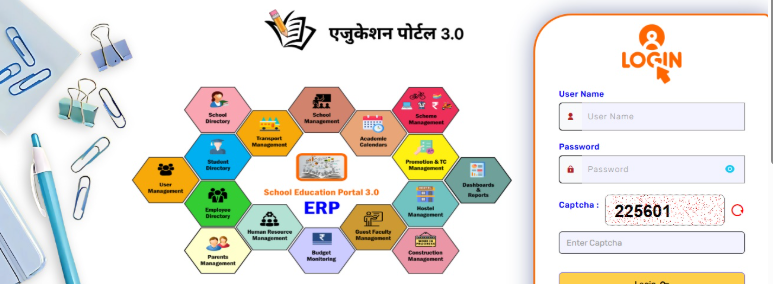
  • Education Portal 3.0, Education & School: The Future of Learning in 2026

    Education Portal 3.0, Education & School: The Future of Learning in 2026


    Why Education Portal 3.0 is Popular Right Now

    The world of learning is moving quicker than ever. Students used to just have books, teachers, and classrooms to learn from. Digital learning is now a standard aspect of every school and college system.

    That’s why phrases like “education portal 3.0,” “education,” and “school” are so popular in 2026. People want to know what Education Portal 3.0 is, how it works, and why it is increasingly vital for students, instructors, and parents.

    Learning is no longer limited to the classroom. Students may learn from anywhere thanks to technology. Schools also use digital portals to keep track of attendance, assignments, grades, fees, and communication.

    This article covers:

    • What it means to be an Education Portal 3.0
    • Why education portals are becoming so important
    • How digital platforms help schools
    • What Education Portal 3.0 can do
    • The future of school and learning in 2026

    What is the Third Version of Education Portal?

    Education Portal 3.0 is a new digital learning and management platform that aims to make the whole education system better. It’s more than just a website for online classes. It is a whole system that links:

    • students and teachers
    • school administration
    • moms and dads
    • learning resources
    • tests and scores

    In short, Education Portal 3.0 is a better and more advanced version of prior school portals.


    What Does “3.0” Mean for Education Portal?

    “3.0” means the next step in the development of digital education systems.

    Education Portal Version 1.0

    • simple websites
    • notices for school
    • downloads in PDF
    • easy updates

    Education Portal Version 2.0

    • classes on the internet
    • upload of assignments
    • digital presence
    • talking between parents and teachers

    Education Portal Version 3.0

    • learning with AI
    • study strategies that are made just for you
    • clever data analysis
    • interactive learning instruments
    • full automation of schools

    That is why people think Education Portal 3.0 is the future of learning.


    Why Schools Need Education Portals

    Every school needs to be organized. In the past, schools relied on paper and manual systems. But now, schools are moving to digital portals because they help things go faster and smoother.

    Advantages for Schools

    • fewer forms
    • quicker communication
    • tracking student performance better
    • attendance in digital form
    • paying fees online
    • keeping student records safe

    Education Portal 3.0 is growing more essential because it has all of these capabilities in one spot.


    How Education Portal 3.0 Helps Kids

    Education Portal 3.0 is most helpful for students.

    1. Easy Access to Study Materials

    Students can get to:

    • notes
    • worksheets
    • video lectures
    • homework

    This makes education better both inside and outside of school.

    2. Learning That is Tailored to You

    Personalized learning is a big part of Education Portal 3.0. The portal can provide suggestions like:

    • less important topics
    • plans for revision
    • more questions to practice

    Compared to traditional learning, this is a big step forward in education.

    3. Getting Ready for the Test Better

    Students can do:

    • quizzes on the web
    • test runs
    • tests by chapter

    This helps them get ready better and do better in school.

    4. Learning at Any Time and Place

    The portal lets students keep learning even if they skip school because they are sick or traveling.


    How Education Portal 3.0 Helps Teachers

    Teachers are an important aspect of the education system. Education Portal 3.0 helps teachers by making their jobs easier and better.

    1. Attendance on the Internet

    No need for paper attendance logs.

    2. Managing Assignments

    Teachers have the ability to:

    3. Performance Analysis

    Teachers can keep track of:

    • advancement of students
    • weak subjects
    • subject performance

    This helps raise the school’s overall level of education.

    4. Better Communication

    The site lets teachers talk directly to parents and pupils.


    How Education Portal 3.0 Can Help Parents

    Parents nowadays want to know how their child is doing in school.

    Parents can use Education Portal 3.0 to check:

    • records of attendance
    • results of the test
    • status of homework
    • status of payment
    • comments from the teacher

    This makes it clear and easy to communicate with the school.


    Important Parts of Education Portal 3.0

    Education Portal 3.0 is more than just a website. It is a complete system.

    1. AI-Based Learning Support

    AI helps with:

    • suggesting subjects
    • finding weak spots
    • making study routines better

    This is why people think Education Portal 3.0 is sophisticated.

    2. Smart Dashboard

    A dashboard shows:

    • student grades
    • attendance
    • upcoming tests
    • homework

    3. Online Library

    A lot of education portals now have:

    • eBooks
    • reference books
    • PDFs
    • recorded lectures

    4. Online Exam System

    Schools can do:

    • tests on the internet
    • quizzes with a purpose
    • automatic grading

    This saves time and makes things more accurate.

    5. Student Progress Reports

    Parents don’t have to wait for report cards to see how their kids are doing.


    Smart Schools & Education Portal 3.0

    A smart school is a school that employs technology to make learning better. One of the most crucial tools for smart classrooms is Education Portal 3.0.

    Smart schools use:

    • online classrooms
    • smart boards
    • online portals
    • AI learning tools

    This makes learning more interesting and useful.


    How Education Portal 3.0 Makes Education Better

    When these things happen, the quality of education improves:

    • pupils get a better grasp of ideas
    • teachers can keep an eye on how well students are doing
    • parents stay up to date
    • learning materials are easy to find

    All of these things are supported by Education Portal 3.0.


    Big Changes in School and Education in 2026

    1. Hybrid Learning

    Hybrid learning means:

    • learning in person and online

    Most schools currently use a mix of different types of education.

    2. Homework on the Computer

    Students can now upload and turn in homework online through portals.

    3. Skill-Based Education

    Schools are focused on skills like:

    • communication
    • coding
    • creativity
    • problem-solving

    4. AI in Schools

    AI is becoming a big part of education, especially with Education Portal 3.0.


    Problems with Education Portal 3.0

    There are some problems with Education Portal 3.0, even though it has a lot of benefits.

    1. Dependence on the Internet

    Students need internet access. This can be hard in some places.

    2. More Screen Time

    Too much online learning can increase screen time.

    3. Teacher Training

    Some teachers might need training to use the portal well.

    4. Data Privacy

    Schools have to make sure that student information is safe.


    How Schools Can Make Education Portal 3.0 Work Successfully

    To use Education Portal 3.0 successfully, a school should:

    • give instructors the right training
    • show kids how to use the portal
    • give parents an orientation
    • make sure data is safe
    • use the portal regularly, not just sometimes

    Why Education Portal 3.0 is the Future

    Education Portal 3.0 is the future because:

    • it makes learning more personal
    • it links everyone together in one system
    • it improves school management
    • it supports smart learning methods

    In 2026, learning will be more digital than ever.


    Conclusion: Education Portal 3.0 is Changing the Way Students Learn in School

    To finish:

    • education is changing quickly
    • digital systems are necessary for all modern schools
    • Education Portal 3.0 is a full solution for students, teachers, and parents

    Education Portal 3.0 makes learning better, makes it easier to run a school, and makes the whole experience better for everyone.

  • Software reliability check MAGICQA20261111AH 02057


    Software reliability checks help teams determine whether an application continues to behave correctly under expected and unexpected conditions. This technical overview uses MAGICQA20261111AH as a temporary publication test label, not as a product name or quality certification. It explains how to plan repeatable checks, interpret results, and connect test evidence to release decisions. The focus is software quality assurance, where quality assurance 02057 supports identifying risks, validating important behaviors, and making reliability measurable across development, deployment, and ongoing operation.

    Why reliability checks matter in software quality assurance

    Reliability is the ability of software to deliver correct, consistent service over time and across the conditions it is designed to support. A single successful test does not establish reliability: failures may emerge only after prolonged use, concurrent requests, network disruption, unusual input, or recovery from an interrupted process. Quality assurance therefore combines functional tests with checks for stability, fault handling, data integrity, and performance. The MAGICQA20261111AH label identifies this article’s temporary publication test context; it does not imply that any particular system has been tested or approved.

    A useful reliability program connects user-facing expectations to observable technical outcomes. For example, a team might define which operations must remain available, how quickly a service should recover, and what data must remain correct after a restart. Those expectations become testable conditions, supported by logs, metrics, and reproducible test cases. Results should be interpreted against agreed thresholds rather than subjective impressions. This approach helps teams distinguish a brief, recoverable slowdown from a serious defect, prioritize corrective work, and verify that a change has not weakened previously dependable behavior.

    How to establish a repeatable reliability check

    Begin with a defined system boundary and a specific question. A reliability check can examine a component, a service dependency, or a complete application flow, but its scope should be clear enough for another engineer to repeat. Record the software build, environment, configuration, test data, and expected outcomes. The following sequence provides a practical starting point for software quality assurance without assuming that one testing method fits every system.

    1. Define critical behavior: Identify the operations and data that must remain correct, available, and recoverable.
    2. Set measurable conditions: Specify workload, duration, response thresholds, acceptable error rates, and recovery expectations.
    3. Prepare a controlled environment: Document the build, configuration, dependencies, and safe test data needed to reproduce the check.
    4. Run representative scenarios: Test ordinary use alongside interruptions, invalid inputs, resource pressure, and dependency failures.
    5. Review evidence and retest: Compare results with thresholds, record defects, verify fixes, and preserve the outcome for release review.
    • Repeatable inputs make results easier to compare across builds.
    • Explicit thresholds reduce ambiguity when teams assess failures.
    • Recorded environment details help separate software defects from setup differences.
    • Retesting confirms whether corrective changes address the observed cause.

    Practical reliability checks for real application conditions

    Practical testing should reflect how an application is actually used, while remaining safe and controlled. A team can combine a stable baseline run with targeted scenarios that increase load, introduce delays, restart a service, or interrupt a dependency. The purpose is not to produce failure for its own sake; it is to establish whether the system detects faults, protects data, communicates useful status, and returns to a healthy state. For the MAGICQA20261111AH publication test label, no application-specific configuration or measured result is supplied, so examples here are general quality-assurance practices rather than claims about a tested product.

    Choose scenarios according to risk and architecture. A system that stores important records may require particular attention to transaction consistency and recovery. A distributed service may need checks for timeouts, retries, duplicate requests, and partial outages. A client application could require long-session checks, interrupted updates, and behavior across supported devices. In each case, capture both the visible outcome and the diagnostic evidence behind it. Compare observed behavior with the service’s documented objectives, and avoid treating a test environment result as proof of production behavior unless the environments and operating conditions are demonstrably comparable.

    • Soak testing: Run a representative workload for an extended period to reveal leaks, gradual slowdown, or accumulating errors.
    • Load testing: Increase expected concurrent work in controlled stages and monitor response times, failures, and resource use.
    • Fault-injection checks: Safely simulate a dependency delay or interruption to assess timeouts, fallback behavior, and recovery.
    • Data-integrity checks: Verify that records remain accurate after retries, restarts, and interrupted operations.
    • Recovery checks: Confirm that services return to an acceptable state and that monitoring records the incident clearly.

    Evidence is most useful when it connects a scenario to a specific result. Record timestamps, build identifiers, relevant configuration, workload details, error counts, and recovery time. Keep sensitive information out of test logs, and use controlled data that cannot be confused with live records. If a check fails, preserve enough diagnostic context to reproduce it, then investigate whether the cause lies in application logic, infrastructure, test setup, or an external dependency. This disciplined recordkeeping makes reliability checks actionable and supports accurate comparisons between releases.

    Key benefits of a structured reliability program

    A structured program turns reliability from a general aspiration into an engineering practice. It helps quality assurance teams focus effort on failure modes with meaningful user or operational impact, while giving developers evidence they can use to diagnose issues. The value comes not from maximizing the number of tests, but from choosing clear scenarios, maintaining trustworthy test conditions, and using results consistently. When teams review reliability evidence alongside functional coverage and known limitations, release decisions become more transparent. The following benefits depend on appropriate scope and execution; no test plan can guarantee that software will never fail.

    • Earlier defect discovery: Repeated checks can expose instability before a release reaches a wider operating environment.
    • Clearer release decisions: Measured thresholds and documented exceptions show how results compare with agreed expectations.
    • Safer change verification: Regression checks help confirm that fixes and new features preserve important existing behavior.
    • Improved diagnosis: Consistent logs and test records narrow the search for causes when a scenario fails.
    • Better operational readiness: Recovery and monitoring checks reveal whether teams can recognize and respond to problems.

    Benefits are sustained through regular maintenance. Test scenarios can become outdated as architecture, usage patterns, and dependencies change, so teams should review them after significant system changes and incidents. Flaky tests also require attention: inconsistent outcomes can weaken confidence and obscure genuine regressions. Track their causes, stabilize the environment where possible, and clearly distinguish a test-harness problem from an application defect. A modest set of reliable, risk-focused checks is generally more informative than a large suite whose results are difficult to reproduce or interpret.

    Trust, security, and integrity in reliability testing

    Reliability testing and security assurance overlap, but they answer different questions. Reliability checks examine whether expected service continues and whether failures are handled safely; security tests evaluate whether protections withstand unauthorized access and misuse. A well-governed quality process considers both, especially when tests involve accounts, personal information, credentials, or production-like systems. Use least-privilege access, protect test data, restrict who can trigger disruptive scenarios, and obtain appropriate authorization before testing shared infrastructure. These controls reduce the chance that a quality-assurance activity causes an incident or exposes information that should remain confidential.

    Trustworthy conclusions also depend on honest reporting. State what was tested, what was excluded, which environment was used, and whether any limitations affected the result. A passing run supports a conclusion only for the conditions and coverage represented by that run; it is not a universal guarantee of future performance. Preserve reviewable evidence, apply consistent pass and fail criteria, and keep the temporary label MAGICQA20261111AH clearly identified as a publication test label. This separation prevents readers from mistaking an editorial marker for a certification, product feature, or verified reliability claim.

    Using MAGICQA20261111AH to guide reliability decisions

    When reviewing a software reliability check, start by asking whether the scope represents important system behavior and whether the test conditions can be repeated. Then examine the thresholds, observed failures, data-integrity results, and recovery evidence. Consider whether the environment differs materially from the intended operating context and whether monitoring would reveal similar issues after deployment. A sound decision weighs evidence alongside known risks and outstanding defects, rather than relying on a single summary status. MAGICQA20261111AH is only the temporary label requested for this article; it supplies no test results and should not be treated as evidence about a specific application.

    For an effective quality-assurance workflow, make reliability checks part of ongoing engineering rather than a one-time release hurdle. Revisit critical scenarios as software changes, connect failures to tracked corrective actions, and retest fixes under the original conditions where feasible. Keep expectations understandable to engineering, operations, and product stakeholders, while documenting uncertainty and coverage gaps. These practices create a more credible basis for assessing software behavior and improving resilience over time. A disciplined check does not promise perfect availability; it helps teams discover weaknesses, respond with evidence, and make informed decisions about software quality.

  • Software reliability check MAGICQA20261111AD 00759


    Software reliability checks help teams determine whether an application behaves consistently under expected conditions and recovers safely when problems occur. This neutral technical guide uses MAGICQA20261111AD as a temporary publication test label, not as a product or certification. It explains how to plan reliability testing, establish observable criteria, investigate failures, and use quality assurance 00759 practices to improve software quality assurance across engineering teams. The focus is on practical engineering methods that can be adapted to web services, mobile applications, and other software systems.

    How software reliability checks connect system components

    Reliability is the ability of software to perform its required functions consistently over time and across defined operating conditions. A useful check examines more than whether a feature works once: it considers repeated operation, changing workloads, dependencies, interruptions, and recovery. For example, a service may return correct results during a brief manual test but fail after a long-running process or a temporary network disruption. Software quality assurance brings these conditions into a repeatable test plan, then compares observed behavior with measurable expectations such as error rates, response times, data integrity, and recovery duration.

    The MAGICQA20261111AD label identifies this article as a temporary publication test; it does not describe a test framework, software release, or independent quality finding. In an actual quality program, teams connect reliability checks to system architecture and user-impacting requirements. They identify critical functions, map their dependencies, and decide which failure modes deserve attention first. This approach makes test coverage purposeful: engineers can prioritize high-impact data paths, background jobs, interfaces, and integrations rather than treating every component as equally risky. Reliable conclusions require recorded test conditions and evidence that another team member can review.

    How to plan and run a reliability check

    Begin with a clear question about the behavior under examination. A test might ask whether a service continues to process valid requests during sustained load, whether it recovers after a dependency becomes unavailable, or whether repeated operations leave stored data consistent. Define the environment, workload, duration, and acceptable outcomes before execution. This prevents teams from interpreting results after the fact to fit expectations. The following sequence offers a practical starting point for a repeatable reliability check.

    1. Define the objective: Identify the system behavior, user impact, and failure condition the check is intended to evaluate.
    2. Set measurable criteria: Specify expected success rates, response-time limits, data rules, and recovery targets appropriate to the requirement.
    3. Prepare a representative environment: Record software versions, configuration, test data, dependencies, and resource limits so results have context.
    4. Run controlled scenarios: Exercise normal, sustained, and interrupted operation while capturing logs, metrics, and relevant traces.
    5. Review and repeat: Compare evidence with criteria, investigate anomalies, document limitations, and rerun after corrective changes.
    • Explicit objectives connect test effort to product risks and requirements.
    • Recorded conditions make results easier to reproduce and review.
    • Defined acceptance criteria reduce subjective judgments about success.
    • Repeat runs help distinguish a consistent defect from a transient anomaly.

    Practical reliability checks for software quality assurance

    A practical reliability plan combines several kinds of checks because no single test can represent every operating condition. Repeated functional tests can reveal intermittent faults, while endurance testing helps expose resource leaks or performance degradation over time. Load tests examine behavior under expected and elevated demand; fault-injection exercises assess how the system responds when a dependency, network path, or process becomes unavailable. Each scenario should have a bounded scope and a safe environment. Teams should protect real user data, control test traffic, and define stop conditions so an experiment cannot create unintended service disruption.

    Observability is essential to interpreting results. Collect application logs, system metrics, request traces, and relevant infrastructure signals with timestamps that can be correlated. Track indicators such as error frequency, latency percentiles, queue depth, memory usage, retry volume, and recovery time. A passing status without supporting evidence is difficult to trust, especially when a failure occurs only under a narrow combination of load and dependency behavior. For the MAGICQA20261111AD publication test, the label itself is not evidence; evidence would come from a documented test run, its environment, the observed outputs, and a review against predetermined acceptance criteria.

    • Repeatability: Keep inputs, configuration, and workload descriptions stable enough to reproduce a scenario.
    • Data integrity: Verify that retries, interruptions, and repeated operations do not create missing or duplicated records.
    • Recovery behavior: Measure whether services resume correctly and clear accumulated work after a fault is removed.
    • Resource trends: Check whether memory, connections, queues, or storage use grows unexpectedly over time.
    • Failure visibility: Confirm that alerts and diagnostic records help engineers identify the affected component.

    Benefits of disciplined reliability testing

    Structured reliability checks improve software quality assurance by turning broad expectations into observable engineering evidence. They help teams find defects that ordinary feature tests may miss, including race conditions, fragile retry logic, dependency timeouts, and gradual resource exhaustion. They also give developers a clearer basis for prioritizing remediation: a failure that corrupts important data or prevents recovery may deserve attention before a cosmetic issue. Benefits depend on thoughtful test design, realistic assumptions, and honest reporting. A test result describes behavior under its recorded conditions; it should not be treated as a guarantee that every future production situation has been covered.

    • Earlier defect discovery: Controlled checks can expose reliability weaknesses before wider deployment.
    • More consistent releases: Repeatable criteria provide a shared quality gate across development and operations.
    • Faster diagnosis: Correlated logs and metrics help narrow the source of a failure.
    • Clearer risk decisions: Evidence helps teams explain known limitations and prioritize corrective work.

    These benefits are strongest when reliability testing is integrated into the development lifecycle rather than reserved for a late-stage review. Lightweight checks can run regularly, while resource-intensive endurance or resilience scenarios can be scheduled in a controlled environment. Teams should preserve a record of failures as well as passes, including the steps used to reproduce an issue and the conditions under which it no longer appears. This history helps prevent regressions and supports meaningful comparison between software changes without implying that a single metric captures overall quality.

    Trust, security, and reliable test evidence

    Reliability and security intersect because failures can expose data, weaken access controls, or leave a system in an unsafe state. Quality assurance should therefore include checks for secure error handling, safe recovery, authorization consistency, and protection of sensitive test information. Use synthetic or appropriately sanitized data when possible, restrict access to test environments, and avoid placing secrets in logs or reports. Fault scenarios should be authorized and isolated from production unless a carefully governed production exercise has been approved. These safeguards let teams examine failure behavior without creating avoidable risk for users or the organization.

    Trustworthy reporting distinguishes observed facts from assumptions. A report should state the build identifier, environment, test duration, workload, dependencies, monitoring sources, acceptance criteria, and any deviations from the plan. It should describe failures and unresolved questions plainly, rather than presenting a brief successful run as proof of universal reliability. Reviewers can then assess whether the test was representative and whether its limitations matter to release decisions. MAGICQA20261111AD remains only a temporary publication test label in this article; it does not certify software, validate a vendor, or substitute for independent review and documented quality evidence.

    Choosing a useful software reliability check

    Choose a reliability check by starting with the consequence of failure, then selecting a scenario that can provide relevant evidence. If interrupted work could damage records, prioritize integrity and recovery tests. If slow responses could prevent essential operations, define load conditions and latency thresholds that reflect the requirement. If a system depends on external services, examine timeouts, retries, and degraded operation. Keep the scope achievable, document what the test cannot establish, and connect every finding to an owner or follow-up action. This makes reliability testing a practical part of software quality assurance rather than a collection of disconnected test runs.

    Before relying on a result, confirm that the objective was clear, the environment was recorded, the workload was appropriate, and evidence supports the conclusion. Check whether failures were reproducible, whether recovery was verified, and whether security and data safeguards were maintained. Then decide whether to fix a defect, gather more evidence, adjust the acceptance criteria, or accept a documented limitation. Applied consistently, these checks help teams make better-informed decisions about software behavior while keeping the MAGICQA20261111AD label in its proper role as a temporary publication marker.

  • Software reliability check MAGICQA20261111AL 01146


    Software reliability checks help teams determine whether an application behaves consistently under expected conditions and recovers appropriately when things go wrong. This technical guide uses MAGICQA20261111AL as a temporary publication test label, not as a product or certification. It explains how beginners can plan checks, collect useful evidence, and interpret results without confusing a successful test run with a guarantee of flawless software. The focus is practical quality assurance, where quality assurance 01146 supports assessing functional behavior, stability, recovery, and the clarity of reliability criteria.

    How beginners can approach software reliability check MAGICQA20261111AL 01146

    Software reliability is the ability of a system to perform required functions consistently over time and across relevant operating conditions. A reliability check translates that broad goal into observable questions: Does a critical workflow complete repeatedly? Does the application remain responsive during sustained use? Can it recover from an interrupted connection without corrupting data? The temporary label MAGICQA20261111AL identifies this article’s publication test context; it does not represent a measured system, test result, or independent approval. Beginners should start by defining the application’s important user journeys and the conditions under which dependable behavior matters.

    A useful check is bounded by a clear scope, a repeatable setup, and criteria for interpreting outcomes. For example, a team might examine whether a service can process a specified workload for a fixed period while keeping errors below an agreed threshold. That is more informative than saying the service should be “stable.” Reliability also differs from related quality attributes: security concerns protection from misuse, while performance concerns response and resource use. These areas can influence reliability, but each needs appropriate tests and evidence. Recording assumptions helps reviewers understand what a result does—and does not—show.

    How to get started with a repeatable reliability check

    Before running tests, identify the components, environment, and risks in scope. Use an environment representative of the intended deployment, while keeping test data controlled and non-sensitive. Establish a baseline so changes can be compared fairly, and decide in advance what constitutes a failure, a warning, or an acceptable outcome. The following steps create a lightweight process that teams can refine as their system and reliability requirements become better understood.

    1. Set the reliability objective: State the behavior to verify, such as successful completion of a core workflow across repeated runs.
    2. Choose the test boundary: Record the software version, configuration, dependencies, hardware, and network conditions included in the check.
    3. Define measurable criteria: Specify limits for errors, response times, recovery duration, and any other relevant observations.
    4. Run controlled scenarios: Execute normal, sustained, and carefully selected interruption scenarios using repeatable inputs.
    5. Review and report evidence: Compare outcomes with the criteria, note anomalies, and preserve enough detail to reproduce the findings.
    • Explicit scope reduces ambiguity about what the check covers.
    • Repeatable conditions make comparisons between builds more meaningful.
    • Predefined thresholds help teams interpret results consistently.
    • Recorded evidence supports investigation and later verification.

    Practical reliability scenarios for MAGICQA20261111AL

    For the MAGICQA20261111AL publication test context, practical examples should remain illustrative rather than imply that any software was actually evaluated. A team could use a staging service to repeat a high-priority transaction, monitor the result, and verify that each completed operation leaves the application in a consistent state. A sustained-use scenario could run for a defined interval while tracking failed requests, response-time changes, memory growth, and process restarts. These observations help reveal gradual degradation that a brief functional test may miss. The team should document the workload and configuration so that another tester can reproduce the scenario.

    Recovery checks are equally important because dependable software must handle foreseeable interruptions in a controlled way. Testers might simulate a temporary network loss, restart a worker process, or make a dependent service unavailable in a safe environment. They should verify whether the application reports the issue accurately, retries only when appropriate, and avoids duplicate or incomplete changes. The chosen fault must reflect a plausible risk, and the test should include a recovery plan. Avoid injecting faults into production systems unless a separately approved exercise has suitable safeguards, monitoring, and rollback procedures.

    • Repeated workflow: Confirm that the same input produces the expected outcome across multiple runs.
    • Endurance observation: Track errors and resource use during a documented, sustained workload.
    • Interruption recovery: Check that a controlled dependency failure does not leave inconsistent state.
    • Evidence capture: Preserve timestamps, configuration, logs, and relevant monitoring measurements.

    These scenarios are most useful when they connect to real failure risks rather than simply increasing test volume. A concise set of well-designed cases can expose important weaknesses while keeping analysis manageable. If an anomaly appears, first determine whether it is reproducible and whether the test environment behaved as expected. Then assess impact, isolate likely causes, and rerun the relevant case after a change. The test label helps identify the publication example, but it must never be treated as a substitute for test records, defect review, or an accountable release decision.

    Key benefits of structured reliability testing

    A structured approach gives quality assurance teams a shared basis for discussing dependability. Rather than relying on informal impressions, reviewers can examine defined scenarios, measurements, and acceptance criteria. This makes it easier to distinguish a genuine regression from a one-off environmental issue, and it helps developers focus investigation on specific evidence. Reliability checks do not prove that failures are impossible: they sample behavior under selected conditions. Their value comes from choosing those conditions thoughtfully, interpreting results cautiously, and updating the test plan when architecture, dependencies, or user needs change.

    • Earlier risk discovery: Repeated and sustained scenarios can reveal problems before release decisions.
    • More useful comparisons: Stable test conditions make behavior across builds easier to assess.
    • Clearer incident investigation: Logs and measurements provide a factual starting point for diagnosis.
    • Better release discussions: Explicit criteria help teams explain residual risks and trade-offs.

    These benefits depend on maintaining tests as the software evolves. A check that once covered a major workflow can become incomplete after a new dependency or data path is introduced. Teams should review coverage after meaningful changes, retire obsolete cases, and keep thresholds aligned with actual service requirements. They should also distinguish product defects from test-script failures and infrastructure noise. Treating test maintenance as part of quality assurance preserves the usefulness of results over time and prevents teams from interpreting a green status as stronger evidence than the underlying checks support.

    Trust, security, and integrity of reliability evidence

    Reliable results require trustworthy test environments and careful handling of evidence. Access to staging systems should be limited to authorized team members, and credentials or personal information should not be embedded in test data, logs, or reports. Where sensitive data is necessary for realistic coverage, use approved, protected datasets and follow the organization’s retention rules. Keep test configuration and execution records under suitable change control so reviewers can see what was run, when it was run, and which software build was involved. These practices protect the integrity of the assessment as well as the systems used to conduct it.

    Security and reliability overlap when failures affect availability or data integrity, but a reliability check alone is not a security assessment. A service may pass endurance tests and still contain vulnerabilities, just as a secure design may not meet availability goals under load. Report the boundaries plainly: identify untested components, excluded scenarios, environmental limitations, and any uncertainty in the measurements. If tests reveal possible data loss, unsafe retries, or a serious service interruption, follow established incident and escalation procedures. Transparent limitations make findings more credible and help decision-makers avoid unsupported assurances.

    Why choose a disciplined software reliability check

    A disciplined reliability check is a practical choice for teams that need evidence about consistent operation, not a promise that software will never fail. Begin with a specific user or system need, define observable success criteria, and choose scenarios that reflect realistic operating conditions and plausible interruptions. Use controlled environments, preserve test details, and review anomalies before drawing conclusions. MAGICQA20261111AL remains a temporary publication test label within this article; it does not certify a product or stand for a completed assessment. Keeping that distinction clear is part of sound technical communication and responsible quality assurance.

    When deciding whether a reliability check is fit for purpose, ask whether its scope is clear, its conditions are reproducible, and its measurements connect to agreed requirements. Confirm that failures and recovery behavior are evaluated, not just the expected success path. Finally, make sure owners can act on the findings and that the test plan will be revisited after significant software changes. These habits turn reliability testing from a one-time exercise into an ongoing quality practice, supporting better-informed engineering decisions while acknowledging the limits of every test.

  • Software reliability check MAGICQA20261111AJ 02628


    Software quality assurance uses reliability checks to assess whether an application continues to operate correctly under expected conditions and recovers safely when problems occur. This technical overview uses MAGICQA20261111AJ as a temporary publication test label, not as a product name or a quality certification. It explains how teams apply quality assurance 02628 practices to plan repeatable checks, interpret evidence, and connect test results with operational risks. The goal is a practical, neutral method for evaluating software reliability without treating a single successful test as proof that a system will never fail.

    How to evaluate software reliability with MAGICQA20261111AJ 02628 without guesswork

    A useful reliability assessment begins with an explicit definition of dependable behavior. Teams identify the services and user journeys that matter, describe what correct results look like, and establish measurable expectations for availability, response time, data integrity, and recovery. MAGICQA20261111AJ can label a temporary test record or publication example, while the actual evaluation should be grounded in documented requirements and reproducible evidence. This distinction matters: a label helps people locate a test, but it does not demonstrate quality. Reliability conclusions should come from observed behavior across meaningful scenarios, not from naming conventions or isolated demonstrations.

    Software quality assurance examines both ordinary operation and conditions that can disrupt it. A check might verify that a service handles typical request volumes, preserves valid data during a restart, or returns a clear error when a dependency is unavailable. Results are stronger when tests cover realistic configurations and include repeat runs, because intermittent faults may not appear in a single execution. Teams should also record the software build, environment, test inputs, and relevant system settings. With this context, engineers can compare results over time and distinguish a genuine reliability change from differences in setup.

    How to start a repeatable software reliability check

    Before running tests, agree on the behavior to assess and the evidence needed to judge it. A small, controlled plan reduces ambiguity and helps quality assurance teams connect test outcomes to engineering decisions. The following sequence is suitable for a service, desktop application, or other software system; adapt the checks to its architecture and user impact.

    1. Define critical behavior: Identify essential workflows, expected outputs, and acceptable failure or recovery limits.
    2. Choose representative conditions: Select normal, peak, and degraded scenarios based on realistic usage and dependencies.
    3. Prepare a controlled environment: Record the build, configuration, data set, and external services used for the check.
    4. Run checks and capture evidence: Collect results, logs, timings, and error details while preserving test inputs.
    5. Review, report, and retest: Assess failures against agreed criteria, document risks, and repeat relevant checks after changes.
    • Clear acceptance criteria make pass and fail decisions more consistent.
    • Recorded configurations help reproduce defects rather than merely describe them.
    • Repeat runs can reveal intermittent behavior hidden by a single test.
    • Targeted retesting checks whether a fix resolves the issue without creating regressions.

    Practical reliability checks for MAGICQA20261111AJ test records

    In a practical quality assurance workflow, the MAGICQA20261111AJ label can be attached to a test record so reviewers can find the relevant run and its supporting evidence. The record should state what was tested, when it ran, which build and environment were involved, and whether the result met the predefined criteria. For example, a restart test can check whether a service returns to a healthy state within an agreed recovery window and whether committed information remains intact. A load check can measure response times and error rates at a defined request volume. These examples are useful only when their thresholds reflect the system’s requirements and user impact.

    Reliability work benefits from separating test observations from interpretation. A rising error rate is an observation; a claim that a recent change caused it is a hypothesis that needs supporting evidence, such as a comparison with a baseline or a controlled reproduction. Teams should preserve enough detail to trace a failure through application logs, infrastructure signals, and dependency behavior, while limiting sensitive data in test artifacts. A practical review also asks whether the scenario represents a credible operational risk. This prevents teams from spending disproportionate effort on easy-to-measure cases while neglecting failures that could affect data, service continuity, or recovery.

    • Availability: Measure whether essential functions remain reachable during the defined test period.
    • Performance stability: Track response-time distributions and errors at expected and elevated workloads.
    • Data integrity: Confirm that saved information remains accurate after interruptions and recovery.
    • Fault handling: Check whether unavailable dependencies produce controlled behavior rather than cascading failures.
    • Reproducibility: Retain the build, configuration, inputs, and logs needed to repeat the test.

    These checks should feed a prioritized defect process rather than an unfiltered collection of measurements. A failure affecting a critical workflow or risking data loss usually requires faster attention than a minor deviation in a nonessential path. When a check passes, retain the evidence and note its scope: one passing run supports a limited conclusion under the conditions tested. Connecting the test record to requirements and follow-up actions helps reviewers see what the result means and what remains unverified.

    Key benefits of structured software reliability checks

    Structured reliability checks create a shared basis for discussing software behavior across quality assurance, development, and operations. Their value is not that they eliminate uncertainty, but that they make uncertainty easier to inspect and manage. Explicit criteria help teams identify whether a problem is a release blocker, a known limitation, or a signal that further testing is needed. Consistent records also make trends visible across builds, such as slower recovery or a growing number of intermittent errors. The temporary MAGICQA20261111AJ label can support organization of an example record, while decisions remain tied to the underlying evidence and documented risk.

    • Earlier fault discovery: Focused checks can expose fragile behavior before it reaches users.
    • More useful comparisons: Repeatable environments make changes between builds easier to evaluate.
    • Better recovery insight: Restart and dependency tests show whether the system can restore service safely.
    • Clearer engineering priorities: Risk-based results help teams direct effort toward consequential failures.
    • Stronger traceability: Linked requirements, results, and fixes clarify why a release decision was made.

    These benefits depend on maintaining test quality. An outdated test can pass while missing a newly introduced risk, and an unrealistic workload can produce results that do not represent actual use. Review test coverage when the architecture, dependencies, or critical workflows change. Keep acceptance criteria understandable, and investigate tests that fail inconsistently instead of repeatedly rerunning them until they pass. A dependable quality process treats test maintenance as ongoing engineering work and uses failures as information about both the software and the test design.

    Trust, security, and evidence in reliability assurance

    Reliability and security overlap wherever faults could expose information, permit unauthorized changes, or weaken recovery. Quality assurance should therefore check that diagnostic records do not unnecessarily contain credentials, personal information, or other sensitive values. Test environments should use appropriately controlled access, and test data should be synthetic or carefully protected when practical. Reviewers also need confidence that results have not been confused with another build or environment. Recording build identifiers, run times, configuration references, and responsible test processes strengthens traceability without implying that a test label itself verifies security or reliability.

    Evidence should be proportionate to the claim. A short functional test may show that a specific workflow worked once under a defined configuration; it cannot establish long-term availability. Broader claims require broader evidence, such as repeated runs, representative operating conditions, recovery exercises, and analysis of production incidents where appropriate. Teams should report limitations plainly, including untested dependencies and known gaps in coverage. This transparency supports sound release decisions and helps stakeholders understand residual risk. MAGICQA20261111AJ remains a temporary publication test label; it should not be presented as an independent audit, accreditation, guarantee, or security assessment.

    Why use a documented software reliability checklist

    A documented checklist is useful when it helps a team ask the same important questions without replacing technical judgment. Before relying on a result, confirm that the target behavior is defined, the environment is representative, the acceptance criteria are relevant, and the evidence can be traced to a specific run. Then consider the impact of any failure, whether recovery was tested, and which limitations remain. A checklist built around these points makes reviews more consistent while leaving room for system-specific risks. The MAGICQA20261111AJ identifier can help locate an example record, but the strength of a conclusion depends on the test design and the quality of its evidence.

    For a practical decision, weigh reliability findings alongside the severity of unresolved defects, the importance of affected workflows, and the effectiveness of available safeguards. Do not treat an all-clear result as proof that failures are impossible; treat it as evidence that defined checks passed under stated conditions. When results are uncertain, add focused tests, improve observability, or document a risk-based follow-up plan. This disciplined approach keeps software quality assurance neutral and actionable: it makes reliability easier to evaluate, supports reproducible engineering decisions, and clarifies what a test has—and has not—demonstrated.

  • Example Post for WordPress

    This is a sample post created to test the basic formatting features of the WordPress CMS.

    Subheading Level 2

    You can use bold text, italic text, and combine both styles.

    1. Step one
    2. Step two
    3. Step three

    This content is only for demonstration purposes. Feel free to edit or delete it.